About Us
Corporación Flor Naciente — FN is a Colombian nonprofit organization whose mission is to support vulnerable populations and to strengthen institutions, transformative leadership and democratic governance.
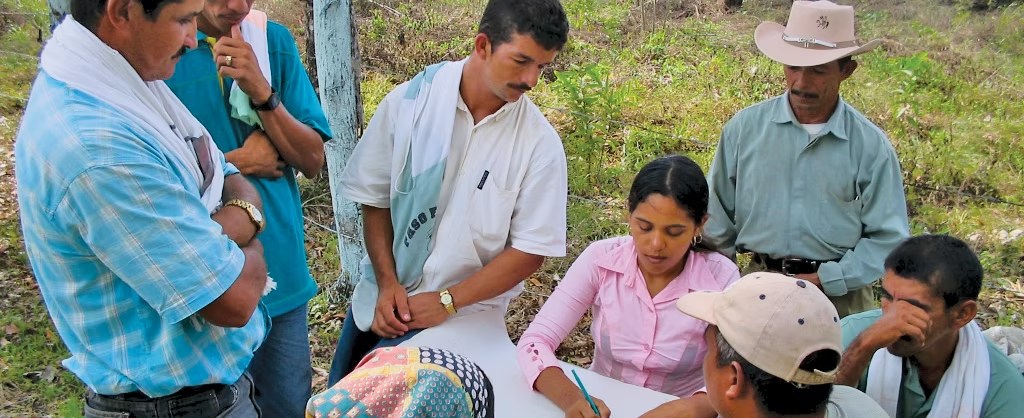
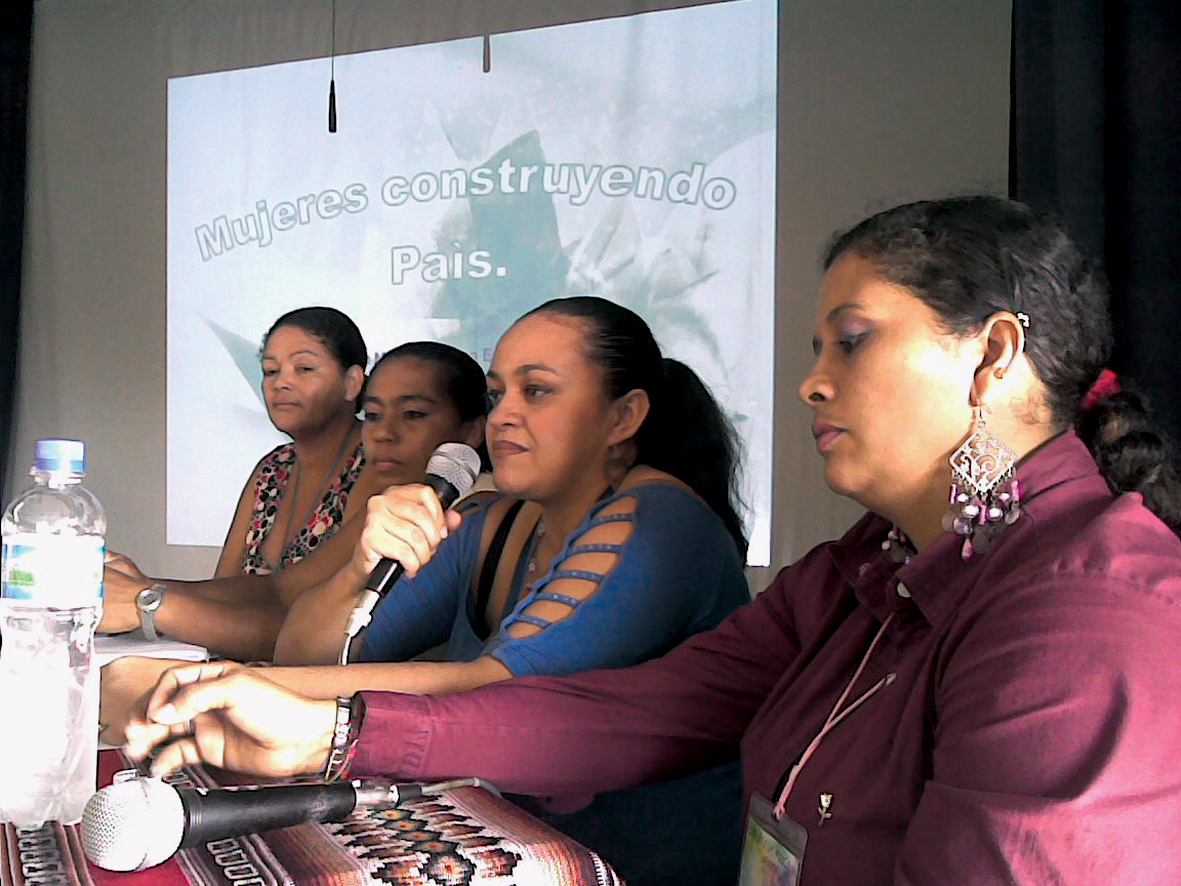
Flor Naciente partners with public and private organizations and with international cooperation agencies to design and implement programs and projects that create opportunities for development, participation and inclusion among the most vulnerable communities, and that broaden the reach of our democracy. We have worked in 800 municipalities across Colombia, including their rural districts and settlements, particularly in remote territories where vulnerable populations most urgently need a public and private institutional presence.
Flor Naciente holds its own assets and maintains a lean operating structure that expands flexibly to deliver projects, bringing in qualified local teams rooted in the territory and committed to public service.
Our Mission
The corporate purpose of Corporación Flor Naciente is to strengthen democratic governance, leadership, and economic and social development; to carry out education, training and research processes; to promote a culture of peace and legality; to advance the social, economic, cultural and political inclusion of Colombians; and to support institutional development and strengthening.
It also fosters, supports, develops and strengthens programs and projects for the protection of children, adolescents and their families.
It is likewise committed to keeping alive the spirit and political thought of Luis Carlos Galán Sarmiento, and to contributing to the objectives of the Ministry of National Education in education for democracy, governance, leadership and a culture of legality.
Flor Naciente promotes the observation and study of peace and democracy processes in Colombia and across the Americas, and disseminates successful experiences in these fields.
Our History
In 1989 the Congress of the Republic enacted Law 75 of 1989 to honor the memory of Luis Carlos Galán, assassinated that same year in Soacha. Article 1 of this Law of Honors reads as follows:
The Republic of Colombia honors and exalts the memory of Senator Luis Carlos Galán Sarmiento, an eminent citizen who devoted his life to the defense of the democratic principles of the Republic to the point of sacrificing it for those ideals; who fought in defense of justice, liberty, peace and equality of opportunity for his people; who likewise worked diligently for the modernization of the State, the protection of non-renewable resources, progress and social welfare, Latin American integration, and the enhancement of Colombia’s standing.
Article 10 of the same law created the Luis Carlos Galán Institute for the Development of Democracy as a “national public establishment (...) endowed with legal personality, administrative autonomy and independent assets, attached to the Ministry of National Education.”
From 1993 to 2004 the Luis Carlos Galán Institute carried out numerous democracy education projects with children, adolescents and teachers. It also designed and implemented models of civic education and democratic leadership development with young people in vulnerable settings. It was precisely this work with young people that led the Institute to take part in DDR projects (disarmament, demobilization and reintegration).
In 2004 the Institute was liquidated and replaced by Corporación Escuela Galán para el Desarrollo de la Democracia, a mixed nonprofit entity with participation from the Ministry of National Education and Capital Corp, a private company. Corporación Escuela Galán entered voluntary liquidation by decision of its General Assembly of Members in May 2024, and Corporación Flor Naciente was created to continue that legacy and to place its extensive experience at the service of the country.
Corporación Flor Naciente carries forward more than 200 projects across 844 municipalities, 154 of which are prioritized for the implementation of the peace accords (PDET zones).
In the course of our work we have developed methodologies and models of engagement that draw on the needs and aspirations of citizens in their own territories, supporting the construction of shared meaning and the active, informed participation of beneficiaries in implementing plans and projects for change — for peaceful coexistence and for social, political and economic inclusion.